Saturday, November 23, 2013

Blog Post #14
For our Blog Post 14, we were able to pick out any assignment we wanted to create. I really enjoyed this blog post because it allows us to let our creativity show. The possibilities are endless for this assignment!
I choose to use Wordle for my assignment. Wordle is very easy to use and it generates "word clouds" from the text you provide. The words should pertain to History for my assignment, but you can still be creative. Maybe the words you choose are your favorite events or topics in History. Wordle allows you to change the colors and font of your text as well, so personalize it to fit your personality.
This is my Wordle that I created:

I choose to use Wordle for my assignment. Wordle is very easy to use and it generates "word clouds" from the text you provide. The words should pertain to History for my assignment, but you can still be creative. Maybe the words you choose are your favorite events or topics in History. Wordle allows you to change the colors and font of your text as well, so personalize it to fit your personality.
This is my Wordle that I created:

C4T #4
C4T #1
In Brian Crosby's blog Rethinking School District Social Media Policies for Teachers/Students he discusses how schools block sites that could be used for educational purposes. Fortunately, the school he teaches at blocks very little so he is able to incorporate technology into his classroom. However, most schools do block twitter, youtube, wiki's, and blogs. Teachers and students are not allowed to give their input about this issue. Mr. Crosby wants school districts to rethink their policy regarding this situation. Students could use these websites for educational purposes and enjoy learning. Teachers could adhere to the Common Core standards because students are suppose to collaborate globally.

I commented on his post saying this was a great topic for a blog post. I completely agree with his discussion. School districts really should rethink their social media policies. I recently started blogging for educational purposes in college and it makes me wish I had this option in high school. My high school was very strict on social media sites and we did not have this choice at all. I believe that as advanced as technology is teachers should be able to incorporate it into their lesson plans. Technology is a very important resource and students need to be technologically literate so they are better prepared for their future. It is wonderful that his school blocks very little media sites. Overall, I really enjoyed reading his blog post.
C4T #2
In Brian Crosby's blog STEM: Cantilever Spans he discusses how he participated in a school's family STEM/science night and it turned out to be a blast. Mr. Crosby had the parents watch and participate with their students in an entertaining classroom lesson plan. The students were given washers and paint stirring sticks to use for this experiment. Crosby gave as little input as possible since it was an inquiry experiment. However, he explained that the objective was to make the longest possible span by placing a paint stirrer out on the table and than using the washers as weights. Soon, the students were very engaged trying to build the longest span possible. The student got really creative and some of the parents even participated too. Crosby said that he had to eventually wrap the event up because the students were having so much fun at that one station.

I commented on his post and said that this was such a creative idea! It seems like your students had a blast for sure. I think that having a school family science night is very interesting. We never had a program like this and I would have truly enjoyed doing soemthing like this. Not only is this a fun learning experience for students, but it also allows the parents to participate. It helps the parents to see what their child is learning about as well as getting to know their child's teacher. I would love to do something like this in my future classroom one day.
In Brian Crosby's blog Rethinking School District Social Media Policies for Teachers/Students he discusses how schools block sites that could be used for educational purposes. Fortunately, the school he teaches at blocks very little so he is able to incorporate technology into his classroom. However, most schools do block twitter, youtube, wiki's, and blogs. Teachers and students are not allowed to give their input about this issue. Mr. Crosby wants school districts to rethink their policy regarding this situation. Students could use these websites for educational purposes and enjoy learning. Teachers could adhere to the Common Core standards because students are suppose to collaborate globally.

I commented on his post saying this was a great topic for a blog post. I completely agree with his discussion. School districts really should rethink their social media policies. I recently started blogging for educational purposes in college and it makes me wish I had this option in high school. My high school was very strict on social media sites and we did not have this choice at all. I believe that as advanced as technology is teachers should be able to incorporate it into their lesson plans. Technology is a very important resource and students need to be technologically literate so they are better prepared for their future. It is wonderful that his school blocks very little media sites. Overall, I really enjoyed reading his blog post.
C4T #2
In Brian Crosby's blog STEM: Cantilever Spans he discusses how he participated in a school's family STEM/science night and it turned out to be a blast. Mr. Crosby had the parents watch and participate with their students in an entertaining classroom lesson plan. The students were given washers and paint stirring sticks to use for this experiment. Crosby gave as little input as possible since it was an inquiry experiment. However, he explained that the objective was to make the longest possible span by placing a paint stirrer out on the table and than using the washers as weights. Soon, the students were very engaged trying to build the longest span possible. The student got really creative and some of the parents even participated too. Crosby said that he had to eventually wrap the event up because the students were having so much fun at that one station.

I commented on his post and said that this was such a creative idea! It seems like your students had a blast for sure. I think that having a school family science night is very interesting. We never had a program like this and I would have truly enjoyed doing soemthing like this. Not only is this a fun learning experience for students, but it also allows the parents to participate. It helps the parents to see what their child is learning about as well as getting to know their child's teacher. I would love to do something like this in my future classroom one day.
Final Report on PLN Project #2
This is my final report on my PLN. I added some new websites that I found interesting. The first website I choose to add was Discovery Education and I know we did not have a chance to use it in EDM310, but I would love to use this site in my future classroom. I plan on teaching in a digital based learning environment and this website uses all digital textbooks which would be perfect. Another, website I choose to add was National Geographic History and this website is amazing, especially since my goal is to become a History professor. I was really excited about adding this site because I find it to be very interesting. The last site I recently added is called Class Teacher and it offers digital classroom solutions. EDM310 has really influenced my views on technology and I can certainly say that my Symbaloo account will be filled with more technology websites.


C4K Summary (November)
C4K #1
I was assigned to a seventh grader named Porscha who attends Pt England school. Her blog was called My Planning and it was a picture of a girl opening her lunchbox only to find out that nothing was in it.
I commented on her post saying I enjoyed her cute story line. She did a great job on her different shots that she drew. Keep up the great work!
C4K #2
This week I commented on Mrs. Yollis' Classroom Blog Post Dr. and Mrs. Strange Visit. Dr. Strange and Mrs. Yollis have been blogging each other for a while now and were finally able to meet in person. Dr. Strange was really interested to see Mrs. Yollis' students use blogging and ipads to enhance their learning. Mrs. Yollis' students began by asking Dr. Strange and his wife open-ended questions. After the introductions, students separated into groups to work on their projects. Some students demonstrated their typing skills using the AlphaSmart typing program, while others worked on a project using puppetpals. Puppetpals allows the students to publish really interesting videos. They can choose a picture of anything and simply insert it into the video. Mrs. Yollis had two great examples on her blog of the puppetpal videos her students had created. The students that did not create puppetpal videos were blogging, which meant every student had a project to work on.

I commented on the blog post saying that I was excited to see that her and Dr. Strange finally met after blogging for quite some time now. I can tell it was a great experience for you both. Dr. Strange has taught us so much about technology and how we can incorporate it into our future classrooms. It is neat to see that Mrs. Yollis does use 21st century learning skills in her class and it has positive effects on her students. As a future educator, I cannot wait to use some of these techniques in my classroom. I really liked the picture of her student using the AlphaSmart typing program because I have never seen this device before. What a great technological tool to use! Overall, this post was very interesting and I can tell that her students really do enjoy learning in her class.
I was assigned to a seventh grader named Porscha who attends Pt England school. Her blog was called My Planning and it was a picture of a girl opening her lunchbox only to find out that nothing was in it.

I commented on her post saying I enjoyed her cute story line. She did a great job on her different shots that she drew. Keep up the great work!
C4K #2
This week I commented on Mrs. Yollis' Classroom Blog Post Dr. and Mrs. Strange Visit. Dr. Strange and Mrs. Yollis have been blogging each other for a while now and were finally able to meet in person. Dr. Strange was really interested to see Mrs. Yollis' students use blogging and ipads to enhance their learning. Mrs. Yollis' students began by asking Dr. Strange and his wife open-ended questions. After the introductions, students separated into groups to work on their projects. Some students demonstrated their typing skills using the AlphaSmart typing program, while others worked on a project using puppetpals. Puppetpals allows the students to publish really interesting videos. They can choose a picture of anything and simply insert it into the video. Mrs. Yollis had two great examples on her blog of the puppetpal videos her students had created. The students that did not create puppetpal videos were blogging, which meant every student had a project to work on.

I commented on the blog post saying that I was excited to see that her and Dr. Strange finally met after blogging for quite some time now. I can tell it was a great experience for you both. Dr. Strange has taught us so much about technology and how we can incorporate it into our future classrooms. It is neat to see that Mrs. Yollis does use 21st century learning skills in her class and it has positive effects on her students. As a future educator, I cannot wait to use some of these techniques in my classroom. I really liked the picture of her student using the AlphaSmart typing program because I have never seen this device before. What a great technological tool to use! Overall, this post was very interesting and I can tell that her students really do enjoy learning in her class.
Sunday, November 17, 2013
Blog Post #13
Author:Kristie Bell
In Kakenya Ntaiya’s video A girl who demanded school she tells the inspirational story about her educational journey. Kakenya made a deal with her father about undergoing the traditional Maasai rite of passage if he would let her go to high school. In the Maasai culture the boys grow up to be warriors and the girls will be mothers. At five years old, Kakenya found out her parents had already arranged her marriage for her. She was expected to a perfect woman so that she could become a perfect wife one day. However, Kakenya’s mother was denied an education and she always wanted better for her children, so she pushed Kakenya and her siblings to get an education. Kakenya’s mother wanted a better life for her children than the one she was living. The case was very different with her father who would abuse her mother and kakenya’s mom could not question him because she was merely a woman. Kakenya’s dream was to become a teacher when she went to school and so she worked hard. As she was approaching high school she told her father she would only go through the Maasai ceremony if he let her continue school. He accepted because he did not want dishonor brought to his family. Kakenya went as far to apply for college and was accepted to a women’s college in Leesburg, Virginia. She needed the support of the village because even though she had a scholarship she had to raise money for her plane ticket. The village felt it was a wasted opportunity on a girl and should have been given to a boy instead. However, she was able to work with her village elders and she arrived in America. Kakenya said she was overwhelmed with enjoyment, but she also learned that what they did to her body during the ceremony in Kenya did was against the law. It is called female mutilation and many more girls in Kenya are at risk undergoing this. She learned that she had a right to her body and a right to an education. She also learned that her mom had a right to own property and did not deserve to be abused because she was a woman. Kakenya’s journey to America was a culture shock and a new eye opener for this young woman. It made her so angry when she discovered the news that she wanted to do something about this. She returned to Kenya and said she wanted to give back to the community. The people of the community and kakenya came up with a school for girls. The Kakenya Center for Excellence was established in 2009 with 32 students. The school is just for girls and it focuses on academics, leadership and female empowerment, as well as life skills. Kakenya also works with donors to provide scholarships for those who cannot afford tuition.

What can we learn from these TED talks?
We can learn so much from Kakenya’s inspirational story. First of all, her story should remind us of how blessed we truly are to live in the land of opportunity and to be able to have the option of earning a degree. We also have public education school system where children can get an education at no cost to their parents. So many of us take education for granted and many people drop out from high school before they even receive their diploma. This young woman wanted nothing more than to have a chance at receiving an education. She was able to fulfill her goals and dreams of becoming a teacher. Not only did she become a teacher, but she also became a wonderful role model to her home community. Kakenya is an absolute blessing to the young ladies that attend her school in Africa. She teaches us to follow our dreams and never give up even if it is not an easy journey. She is an outstanding example of what a teacher should be. We need to reach out and help our students to be successful in all that they do. Kakenya’s story was remarkable and it will always serve as a reminder to me.
What can we learn from these TED talks?
Kynyetta Barren
Shukla Bose: Teaching One Child at a Time

In this video, Teaching One Child at a Time, Shukla Bose talks about how she started the Parkrma Humanity Foundation. The foundation helps the children in India who live in the slums get an education. She went to the slums to identify houses where children lived who would never get to go to school. Bose then began talking to parents about getting their children into school. Shukla didn’t want to play the number game anymore, she made an effort to make a change. She wanted to provide the children of India with a better education. The foundation started a school with about 165 children. The foundation built more schools and even a junior college. Bose speaks about three myths that are believed in India. The first myth is that no one in the slums can speak English. that myth is not true, Bose showed a video to the audience of two children speaking English. the second myth was that parents do not like their children going to school. That’s totally wrong. Shukla stated that parents are very supportive and want their children going to school. The last myth was that children who lived in the slums did not integrate with other children who do not live in the slums. Once again, Bose presented a video of a girl that was given an opportunity to go to a camp with other students that didn’t live in the slums. The children were excited to make friends with the other children who didn’t live in the slums. The reason the schools became successful is that the schools and teachers operated under the idea, “one child at a time”, which means they would educate students focusing on treating each child as an individual. The idea of the Parikrma Humanity Foundation is to educate children and prepare them for the real world. Shukla stated at the end of her presentation, “what is in the building is not important, all that matters is what the children are learning.” This statement is so true! We learn that we can make a difference in any child’s life with education. Just by taking one step at a time to accomplish something so big for children of the future.We want our children with the best education possible. It’s very heartwarming to listen to what she did for the children of India.
Autumn Sprouse
For this blog, I chose to watch Charles Leadbeater's video Education Innovation in the Slums. Charles Leadbeater is a British author who writes on topics such as innovation and creativity. Leadbeater has advised many companies, cities, and even governments around the world on innovation strategy. He has written many popular books and continues to express his knowledge on education.
Leadbeater decided to start off in Monkey Hill, Rio in one of the biggest slums in the country. There he met a boy who dropped out of school at the age of fourteen, started working in a business to make money, and the age of sixteen was completely running that business and hired over 1,000 people to work for him. By the time he would reach 24, he would be expected to be dead. Living in the slums means a high death rate of AIDS and the life expectancy is low. Out of a room full of kids, over half of them do not have parents, and the other half only has one parent because of this AIDS outbreak. Luckily, this same boy met a guy in Rio who had installed the first computers in classrooms for the children in Rio. Leadbeater says with education and technology, there is a chance for hope. This video also showed the computers that Sugata Mitra showed in his video from the beginning in this year. Leadbeater showed a room full of students learning on computers and how they are reinventing the slums, just like what is happening around the country. Leadbeater says that we need more reinventions to improve our schools. Our schools may look the same from the outside, but from the inside we need to push forward to new technology. He also says we need to encourage our students more. Students are not going to want to further their education if we are not their backbone.
This video taught me so much about the slums and the education there. I'm so glad that people like Charles Leadbeater had the chance to go over there and make a difference to people to who are less fortunate. Leadbeater had many great ideas to bring to Rio, and to classrooms today around the world.
Turning Trash into Toys for Learning: By Arvind Gupta Author: Douglas R. Jarvis Jr
Arvind Gupta takes us on a marvelous journey in his talk about using things we normally would simply toss away in order to provide interactive teaching tools for children. He provides examples of using rubber tubing and match sticks to create countless mathematical shapes that could be used to teach angles, geometry, engineering and so many other lessons. He shows us how to create pumps from bicycle tubes and straws and generators from batteries, magnets, and paperclips. His ingenuity is a prime example that even the poorest school system can find ways to provide children with hands on learning tools. We get so bogged down in worrying about how to afford fancy classroom supplies. However, what really matters is teaching your students in a way that captivates them. By using these inexpensive methods, you can allow students to have hands on interaction and really see why the science or math involved creates the desired effect. We can all learn from this method of education. Face it, many school systems are going to be reluctant or unwilling to provide us money for projects. As teachers we can use Mr. Gupta’s ideas to turn our trash into toys built by our students.
It has been proven time after time that people learn best from practical experience. Yet, so many teachers continue to take the learning out of the students hands and force them to endure tedious and unmotivating lectures. Imagine listening to a lecture on shapes in your geometry class; now instead use, the rubber tubing and match sticks and let your students build the shapes and explore the strengths and weaknesses of each shape while you discuss the lesson. The student is intrigued because he wants to learn how to make the more interesting ones and captivated when he gets to play with his creation. Learning can be fun, it does not have to be a chore. We all know what it is like to be watching the clock praying for the bell. So lets all fight against that and create classrooms that our students don’t want to leave. We dont have to have a lot of money, just the desire and drive to learn how to maximize the resources we have.

In Kakenya Ntaiya’s video A girl who demanded school she tells the inspirational story about her educational journey. Kakenya made a deal with her father about undergoing the traditional Maasai rite of passage if he would let her go to high school. In the Maasai culture the boys grow up to be warriors and the girls will be mothers. At five years old, Kakenya found out her parents had already arranged her marriage for her. She was expected to a perfect woman so that she could become a perfect wife one day. However, Kakenya’s mother was denied an education and she always wanted better for her children, so she pushed Kakenya and her siblings to get an education. Kakenya’s mother wanted a better life for her children than the one she was living. The case was very different with her father who would abuse her mother and kakenya’s mom could not question him because she was merely a woman. Kakenya’s dream was to become a teacher when she went to school and so she worked hard. As she was approaching high school she told her father she would only go through the Maasai ceremony if he let her continue school. He accepted because he did not want dishonor brought to his family. Kakenya went as far to apply for college and was accepted to a women’s college in Leesburg, Virginia. She needed the support of the village because even though she had a scholarship she had to raise money for her plane ticket. The village felt it was a wasted opportunity on a girl and should have been given to a boy instead. However, she was able to work with her village elders and she arrived in America. Kakenya said she was overwhelmed with enjoyment, but she also learned that what they did to her body during the ceremony in Kenya did was against the law. It is called female mutilation and many more girls in Kenya are at risk undergoing this. She learned that she had a right to her body and a right to an education. She also learned that her mom had a right to own property and did not deserve to be abused because she was a woman. Kakenya’s journey to America was a culture shock and a new eye opener for this young woman. It made her so angry when she discovered the news that she wanted to do something about this. She returned to Kenya and said she wanted to give back to the community. The people of the community and kakenya came up with a school for girls. The Kakenya Center for Excellence was established in 2009 with 32 students. The school is just for girls and it focuses on academics, leadership and female empowerment, as well as life skills. Kakenya also works with donors to provide scholarships for those who cannot afford tuition.

What can we learn from these TED talks?
We can learn so much from Kakenya’s inspirational story. First of all, her story should remind us of how blessed we truly are to live in the land of opportunity and to be able to have the option of earning a degree. We also have public education school system where children can get an education at no cost to their parents. So many of us take education for granted and many people drop out from high school before they even receive their diploma. This young woman wanted nothing more than to have a chance at receiving an education. She was able to fulfill her goals and dreams of becoming a teacher. Not only did she become a teacher, but she also became a wonderful role model to her home community. Kakenya is an absolute blessing to the young ladies that attend her school in Africa. She teaches us to follow our dreams and never give up even if it is not an easy journey. She is an outstanding example of what a teacher should be. We need to reach out and help our students to be successful in all that they do. Kakenya’s story was remarkable and it will always serve as a reminder to me.
What can we learn from these TED talks?
Kynyetta Barren
Shukla Bose: Teaching One Child at a Time

In this video, Teaching One Child at a Time, Shukla Bose talks about how she started the Parkrma Humanity Foundation. The foundation helps the children in India who live in the slums get an education. She went to the slums to identify houses where children lived who would never get to go to school. Bose then began talking to parents about getting their children into school. Shukla didn’t want to play the number game anymore, she made an effort to make a change. She wanted to provide the children of India with a better education. The foundation started a school with about 165 children. The foundation built more schools and even a junior college. Bose speaks about three myths that are believed in India. The first myth is that no one in the slums can speak English. that myth is not true, Bose showed a video to the audience of two children speaking English. the second myth was that parents do not like their children going to school. That’s totally wrong. Shukla stated that parents are very supportive and want their children going to school. The last myth was that children who lived in the slums did not integrate with other children who do not live in the slums. Once again, Bose presented a video of a girl that was given an opportunity to go to a camp with other students that didn’t live in the slums. The children were excited to make friends with the other children who didn’t live in the slums. The reason the schools became successful is that the schools and teachers operated under the idea, “one child at a time”, which means they would educate students focusing on treating each child as an individual. The idea of the Parikrma Humanity Foundation is to educate children and prepare them for the real world. Shukla stated at the end of her presentation, “what is in the building is not important, all that matters is what the children are learning.” This statement is so true! We learn that we can make a difference in any child’s life with education. Just by taking one step at a time to accomplish something so big for children of the future.We want our children with the best education possible. It’s very heartwarming to listen to what she did for the children of India.
Autumn Sprouse
For this blog, I chose to watch Charles Leadbeater's video Education Innovation in the Slums. Charles Leadbeater is a British author who writes on topics such as innovation and creativity. Leadbeater has advised many companies, cities, and even governments around the world on innovation strategy. He has written many popular books and continues to express his knowledge on education.
Leadbeater decided to start off in Monkey Hill, Rio in one of the biggest slums in the country. There he met a boy who dropped out of school at the age of fourteen, started working in a business to make money, and the age of sixteen was completely running that business and hired over 1,000 people to work for him. By the time he would reach 24, he would be expected to be dead. Living in the slums means a high death rate of AIDS and the life expectancy is low. Out of a room full of kids, over half of them do not have parents, and the other half only has one parent because of this AIDS outbreak. Luckily, this same boy met a guy in Rio who had installed the first computers in classrooms for the children in Rio. Leadbeater says with education and technology, there is a chance for hope. This video also showed the computers that Sugata Mitra showed in his video from the beginning in this year. Leadbeater showed a room full of students learning on computers and how they are reinventing the slums, just like what is happening around the country. Leadbeater says that we need more reinventions to improve our schools. Our schools may look the same from the outside, but from the inside we need to push forward to new technology. He also says we need to encourage our students more. Students are not going to want to further their education if we are not their backbone.
This video taught me so much about the slums and the education there. I'm so glad that people like Charles Leadbeater had the chance to go over there and make a difference to people to who are less fortunate. Leadbeater had many great ideas to bring to Rio, and to classrooms today around the world.

Turning Trash into Toys for Learning: By Arvind Gupta Author: Douglas R. Jarvis Jr
Arvind Gupta takes us on a marvelous journey in his talk about using things we normally would simply toss away in order to provide interactive teaching tools for children. He provides examples of using rubber tubing and match sticks to create countless mathematical shapes that could be used to teach angles, geometry, engineering and so many other lessons. He shows us how to create pumps from bicycle tubes and straws and generators from batteries, magnets, and paperclips. His ingenuity is a prime example that even the poorest school system can find ways to provide children with hands on learning tools. We get so bogged down in worrying about how to afford fancy classroom supplies. However, what really matters is teaching your students in a way that captivates them. By using these inexpensive methods, you can allow students to have hands on interaction and really see why the science or math involved creates the desired effect. We can all learn from this method of education. Face it, many school systems are going to be reluctant or unwilling to provide us money for projects. As teachers we can use Mr. Gupta’s ideas to turn our trash into toys built by our students.
It has been proven time after time that people learn best from practical experience. Yet, so many teachers continue to take the learning out of the students hands and force them to endure tedious and unmotivating lectures. Imagine listening to a lecture on shapes in your geometry class; now instead use, the rubber tubing and match sticks and let your students build the shapes and explore the strengths and weaknesses of each shape while you discuss the lesson. The student is intrigued because he wants to learn how to make the more interesting ones and captivated when he gets to play with his creation. Learning can be fun, it does not have to be a chore. We all know what it is like to be watching the clock praying for the bell. So lets all fight against that and create classrooms that our students don’t want to leave. We dont have to have a lot of money, just the desire and drive to learn how to maximize the resources we have.
Sunday, November 10, 2013
Project #15 Lesson Plan 3
Smartboard Jeopardy

This lesson plan is intended for twelfth grade history. One week is needed for preparation for this assignment. This lesson plan requires access to a Smartboard. Students will be divided into groups of four for this assignment. Each group is required to brainstorm and create their own questions that pertain to the the textbook or our class lectures. The questions that are chosen must be from the previous chapters we have discussed. This game is intended to better prepare students for their exam as well as evaluate their progress.
Lesson Plan 3-Kristie Bell

This lesson plan is intended for twelfth grade history. One week is needed for preparation for this assignment. This lesson plan requires access to a Smartboard. Students will be divided into groups of four for this assignment. Each group is required to brainstorm and create their own questions that pertain to the the textbook or our class lectures. The questions that are chosen must be from the previous chapters we have discussed. This game is intended to better prepare students for their exam as well as evaluate their progress.
Lesson Plan 3-Kristie Bell
Saturday, November 9, 2013
Blog Post #12
Author: Kristie Bell
In Ken Robinson’s video Changing Education on Paradigms he discusses how every country on the earth is reforming public education. We need to know how to educate our children to take their place in the 21st century economies. We need to educate our children so they have a cultural identity. Today, most children believe that just because you have a college degree does not mean you will be guaranteed a job, which is absolutely correct. The problem with our current learning system is that it was designed for a different age period. We must raise education standards because we are in the 21st century. Ken Robinson feels that our students cannot focus because we have so many technological tools, but they are not being put to use. Instead, teachers are using the same boring lesson plan that consists of lecturing. He states “ We are getting our children through education by anaesthetising them.” We are basically putting them to sleep because of boredom when we should be waking them up to what is inside themselves. Schools are made up of standardization and we need to move in the opposite direction from this. Schools need to cultivate creativity and acknowledge multiple types of creativity.

What can we learn from Sir Ken Robinson? We can learn so much from this inspirational man. Our students need to focus on being creative thinkers and unfortunately our education system only educates to be good workers. In our classrooms we will cultivate our students’ interest and energy. Ken Robinson teaches you not to educate students out of their creativity. We want to create unlimited possibilities in our classrooms and acknowledge each student’s talents. Mr. Robinson points out the importance of acknowledging your student’s talents because so many feel that if their talent does not fit into the education system’s classification then they are not considered intelligent. Our students should be unleashing their talents and discovering their culture identity in the world. Sir Ken Robinson really gave us a new outlook and his words could not be more true. We need to truly rethink our school systems and make our students feel alive again.
Author: Kynyetta Barren
In Sir Ken Robinson video, The Importance of Creativity he speaks at a conference about how education is killing creativity. He believes that creativity is as important as literacy. A lot of teachers just want their students to get the work done, pass a test, or do a project. Creativity should be encouraged in everything you do in the classroom. Ken tells us that “Education is meant to take you into a future that you can’t grasp.” What he means by this is no matter how much we learn we will never catch up to all the new advancements that are being made. He states that children in this generation are frightened of being wrong and we are the cause of that. It is the reason schools kills creativity. We agree that children are scared of being wrong. We are scared of being wrong at the work we do for classes. Since we have taken EDM310 we feel that creativity is very important because it opens your mind up to different things that are being used in the classrooms. As Ken Robinson stated, “If you are not prepared to be wrong, you will never come up with anything original.” We believe that education in schools is getting too caught up in the basics of teaching. Of course math, reading, writing, history are important, but what about the skills children show and use outside of the classroom. As educators, we can incorporate creativity into our lesson plans and promote students to use their creative minds! We could use smartboards, blogs, building projects, etc. Creativity involves breaking out of an established pattern in order to look at things in a different way. In our classroom we want our students to be creative and express themselves through art.
In Ken Robinson’s video Changing Education on Paradigms he discusses how every country on the earth is reforming public education. We need to know how to educate our children to take their place in the 21st century economies. We need to educate our children so they have a cultural identity. Today, most children believe that just because you have a college degree does not mean you will be guaranteed a job, which is absolutely correct. The problem with our current learning system is that it was designed for a different age period. We must raise education standards because we are in the 21st century. Ken Robinson feels that our students cannot focus because we have so many technological tools, but they are not being put to use. Instead, teachers are using the same boring lesson plan that consists of lecturing. He states “ We are getting our children through education by anaesthetising them.” We are basically putting them to sleep because of boredom when we should be waking them up to what is inside themselves. Schools are made up of standardization and we need to move in the opposite direction from this. Schools need to cultivate creativity and acknowledge multiple types of creativity.

What can we learn from Sir Ken Robinson? We can learn so much from this inspirational man. Our students need to focus on being creative thinkers and unfortunately our education system only educates to be good workers. In our classrooms we will cultivate our students’ interest and energy. Ken Robinson teaches you not to educate students out of their creativity. We want to create unlimited possibilities in our classrooms and acknowledge each student’s talents. Mr. Robinson points out the importance of acknowledging your student’s talents because so many feel that if their talent does not fit into the education system’s classification then they are not considered intelligent. Our students should be unleashing their talents and discovering their culture identity in the world. Sir Ken Robinson really gave us a new outlook and his words could not be more true. We need to truly rethink our school systems and make our students feel alive again.
Author: Kynyetta Barren
In Sir Ken Robinson video, The Importance of Creativity he speaks at a conference about how education is killing creativity. He believes that creativity is as important as literacy. A lot of teachers just want their students to get the work done, pass a test, or do a project. Creativity should be encouraged in everything you do in the classroom. Ken tells us that “Education is meant to take you into a future that you can’t grasp.” What he means by this is no matter how much we learn we will never catch up to all the new advancements that are being made. He states that children in this generation are frightened of being wrong and we are the cause of that. It is the reason schools kills creativity. We agree that children are scared of being wrong. We are scared of being wrong at the work we do for classes. Since we have taken EDM310 we feel that creativity is very important because it opens your mind up to different things that are being used in the classrooms. As Ken Robinson stated, “If you are not prepared to be wrong, you will never come up with anything original.” We believe that education in schools is getting too caught up in the basics of teaching. Of course math, reading, writing, history are important, but what about the skills children show and use outside of the classroom. As educators, we can incorporate creativity into our lesson plans and promote students to use their creative minds! We could use smartboards, blogs, building projects, etc. Creativity involves breaking out of an established pattern in order to look at things in a different way. In our classroom we want our students to be creative and express themselves through art.

By Douglas R. Jarvis Jr.
Sir Ken Robinson delivered a wonderful commentary on education at a TED Talk in April of 2013. He discussed the irony of the legislation we call “no child left behind”. So what is ironic about this legislation? The dropout rate in some of our states approaches 60% and in Native American communities, it can grow as high as 80% ! So the irony is that we have created a system that leaves the majority of our children behind. Sir Robinson believes that we must first recognize that each child is an individual. No one method of teaching will ever be able to reach the learning personalities of every student. America has tried to standardize education to the degree that teachers struggle to be able to use their own creativity to develop lessons that inspire and capture the curiosity of a student. Sir Robinson made the point that children are naturally curious and it is quite an accomplishment to extinguish that. So why do we bogg down in standardized testing and allowing a room full of politicians to decide the best way for children to learn? Is it not the teacher and the school that facilitate learning? I completely agree with this assessment. To really change the dropout rate in this country, we have to return the teacher’s power to decide how to best reach his/her students. We need to allow the administrators in the schools to determine the effectiveness of the method a teacher may choose to use because they too are educators. As teachers, we must take this responsibility very seriously and not just try to teach information. We must encourage, counsel, advise , and be involved with the well being of each of our students. I believe every child has a gift and that it is our job to help him find it. Not every child is meant for the University but, that does not mean he can not be successful. Vocations provide the backbone of our nation and we are reaching a dangerous deficit of skilled workers in this country. Last year, I attended Alabama Community College System Governor’s Breakfast in Montgomery, Alabama as an ambassador from Bishop State. Dr Bentley expressed his concern that six million skilled jobs are unfilled in this country due to the lack of qualified workers. The kids are dropping out because they are discouraged and being treated as second class because they are not scholastically gifted. That is a crime! while I am proud of those gifted students as well we simply can not turn our back on a student because he can not score a 30 on the ACT. When we as teachers take the time to encourage our students and let them feel proud of themselves we give fuel to the student to keep fighting. So lets all find a way to reach our students and remember they are different but, they all deserve our best. Death Valley is the driest place in the U.S. Life is very scarce there and yet a few years ago with a rain system dropping seven inches of moisture onto the desert floor, flowers bloomed and blanketed a desert in green. This is a beautiful metaphor for our education system. If we rain support, creativity, and encouragement on our students we can cut the dropout rate and help every student blossom.
 SEE THE DIFFERENCE!
SEE THE DIFFERENCE!Sunday, November 3, 2013
C4K Summary Post (October)
C4K #1
My student I was assigned was enrolled in an online AP Government course and her blog was called A Unique Perspective on the Past, Present, & Future. In her post she talks about how her class has covered topics ranging from the Constitution and Declaration of Independence to the conflict in Syria. She mentions how important it is to understand the significance and purpose of these documents. She states, "The Constitution and Declaration of Independence is essential because they are the basis of American government." In her post she informs her readers that she loves classes such as these, because they incorporate current events. She leaves off her post with a personal statement about herself that says she plan on majoring in political science in college and her ultimate goal is to become a lawyer.

I commented on her post saying that I really enjoyed reading her blog post especially since I am a history major. She certainly gave me a deeper insight with her informative post. I agree completely about how more people need to understand the purpose and significance of these documents. I can tell she is really passionate about this class and that she will have fun learning about this subject. I also like that she is so concerned about her future and it sounds like she is on the path to success.
C4K #2
I was assigned to the student Lillian in Mrs. Hartooni's seventh grade science class. In her blog post My First Day of School she talks about how nervous she was walking into her first period class. She started to feel a little better after she realized her friend was in the same class. Her science class turned out to be a great experience because she finds this subject to be very interesting. Lillian's first day of school turned out to be a huge success and she was no longer nervous anymore.

I commented on her post and said that I enjoyed reading her post! I believe everyone can relate to her post about being nervous on the first day of school. I am in college and I still get nervous about the first day each semester. I always feel better after I get settled into my new classes and see some familiar faces. I think it is awesome that you love learning about new and interesting things! Keep up the great work and attitude because it will help you succeed in life.
C4K #3
I was assigned to Reety in Mr. So's second grade class and her blog was called My Hero Is My Mom. In her post she discusses that a hero is someone that is always by your side to rescue you. Reety says this is why she chose her mom as her hero because she saves her all the time. She talks about how her mom can always turn her frown into smile when she is feeling down. Reety says her mom is the best hero ever and she will never change her choice.

I commented on her post saying that I loved reading your blog post. My mom is definitely my hero too and I look up to her so much. Mother’s are great heroes to have and they are always there to help us! Your post was very heartwarming and it sounds like you have a wonderful mom! Keep up the awesome work Reety!
C4K #4
I was assigned to Dayton in Mrs. Geldes's fourth grade class and his blog post was called the The Unwanted. In his blog post he told a story from a pumpkin's point of view and it was very funny. He talked about being the pumpkin who was picked last and once he was finally chosen he was excited. However, the pumpkin's excitement did not last long when he figured out that he was going to be carved like the other pumpkins. He says after the pumpkin dies he becomes the headless horse man and comes back to haunt the people who carve pumpkins.

I commented on his post saying that it was very funny and I enjoyed reading it. He has an awesome imagination which is wonderful for telling stories. I really love Halloween so this was a great topic to write about. Keep up the creative work Dayton!
My student I was assigned was enrolled in an online AP Government course and her blog was called A Unique Perspective on the Past, Present, & Future. In her post she talks about how her class has covered topics ranging from the Constitution and Declaration of Independence to the conflict in Syria. She mentions how important it is to understand the significance and purpose of these documents. She states, "The Constitution and Declaration of Independence is essential because they are the basis of American government." In her post she informs her readers that she loves classes such as these, because they incorporate current events. She leaves off her post with a personal statement about herself that says she plan on majoring in political science in college and her ultimate goal is to become a lawyer.

I commented on her post saying that I really enjoyed reading her blog post especially since I am a history major. She certainly gave me a deeper insight with her informative post. I agree completely about how more people need to understand the purpose and significance of these documents. I can tell she is really passionate about this class and that she will have fun learning about this subject. I also like that she is so concerned about her future and it sounds like she is on the path to success.
C4K #2
I was assigned to the student Lillian in Mrs. Hartooni's seventh grade science class. In her blog post My First Day of School she talks about how nervous she was walking into her first period class. She started to feel a little better after she realized her friend was in the same class. Her science class turned out to be a great experience because she finds this subject to be very interesting. Lillian's first day of school turned out to be a huge success and she was no longer nervous anymore.

I commented on her post and said that I enjoyed reading her post! I believe everyone can relate to her post about being nervous on the first day of school. I am in college and I still get nervous about the first day each semester. I always feel better after I get settled into my new classes and see some familiar faces. I think it is awesome that you love learning about new and interesting things! Keep up the great work and attitude because it will help you succeed in life.
C4K #3
I was assigned to Reety in Mr. So's second grade class and her blog was called My Hero Is My Mom. In her post she discusses that a hero is someone that is always by your side to rescue you. Reety says this is why she chose her mom as her hero because she saves her all the time. She talks about how her mom can always turn her frown into smile when she is feeling down. Reety says her mom is the best hero ever and she will never change her choice.

I commented on her post saying that I loved reading your blog post. My mom is definitely my hero too and I look up to her so much. Mother’s are great heroes to have and they are always there to help us! Your post was very heartwarming and it sounds like you have a wonderful mom! Keep up the awesome work Reety!
C4K #4
I was assigned to Dayton in Mrs. Geldes's fourth grade class and his blog post was called the The Unwanted. In his blog post he told a story from a pumpkin's point of view and it was very funny. He talked about being the pumpkin who was picked last and once he was finally chosen he was excited. However, the pumpkin's excitement did not last long when he figured out that he was going to be carved like the other pumpkins. He says after the pumpkin dies he becomes the headless horse man and comes back to haunt the people who carve pumpkins.

I commented on his post saying that it was very funny and I enjoyed reading it. He has an awesome imagination which is wonderful for telling stories. I really love Halloween so this was a great topic to write about. Keep up the creative work Dayton!
C4T #3
C4T #1
In Bill Ferriter's blog called False-Transparency and the Airport Princess he discusses the simplistic misconceptions that some people have about teaching. Many people think that teacher's only roles in the classroom is to teach and nothing else matters. Most people fail to realize that being an educator is not an easy profession. These one-sided views are called "False-Transparency." It is easy to think that teachers are overpaid if you think that the only time their working is when their standing in front of a class. However, this is not the case because being an educator means working around the clock always. Educators are always having to plan their lessons while off the clock. Teachers always have to make assessments and feedback for each individual student as well. Some people do not understand how hard it is to teach and as educators it is our challenge to show them. We need to pull back the curtains and show the behind scenes of what is going on when we are not standing in front of our students.

I commented on his post saying that he did a great job and definitely caught my attention. False-transparency is something we have all dealt with in our lives and the misconception about teachers is well known. Honestly, I can say that I did not realize how much work teachers do around the clock until I started college three years ago. My education classes have really taught me about the hard work that goes into being an educator. I hope that more people will realize that teachers play an important role and do more than simply teach. I believe if educators could demonstrate what goes on behind the scenes people would actually realize teachers are underpaid. Overall, this was one of my favorite blog posts and I found it to be very interesting.
C4T #2
In Bill Ferriter's post New #Edtech Tool Review:Using Canva to Teach Visual Influence he discusses how the graphic design site Canva caught his attention. We are living in a world where pictures and videos are becoming primary for capturing attention so it only makes sense to incorporate them in the classroom. Canva is a tool that makes design simple for everyone. It provides access to thousands of engaging graphics that can be dragged and dropped into place on templates and layouts customized for everything from blog graphics and Facebook headers to flyers, posters, and PowerPoint Presentations. The only issue is that Canva is currently in beta testing. Bill ends his post saying "My hope is that they will recognize schools as a valuable marketplace worth serving and customize a product and pricing line that will meet the needs of teachers and students."

I commented on his post and said that this is a great tool to use in the classroom. Technology is a great resource to incorporate into lesson plans. I really like that you choose a visual design site that is very simple and easy to use! Most graphic design sites are just way too complicated and really do leave you bogged down. Hopefully, they will recognize schools as a valuable marketplace because this would be a beneficial tool for educators. Overall, your post was very informative and I am glad that I had a chance to learn about this interesting tool!
In Bill Ferriter's blog called False-Transparency and the Airport Princess he discusses the simplistic misconceptions that some people have about teaching. Many people think that teacher's only roles in the classroom is to teach and nothing else matters. Most people fail to realize that being an educator is not an easy profession. These one-sided views are called "False-Transparency." It is easy to think that teachers are overpaid if you think that the only time their working is when their standing in front of a class. However, this is not the case because being an educator means working around the clock always. Educators are always having to plan their lessons while off the clock. Teachers always have to make assessments and feedback for each individual student as well. Some people do not understand how hard it is to teach and as educators it is our challenge to show them. We need to pull back the curtains and show the behind scenes of what is going on when we are not standing in front of our students.

I commented on his post saying that he did a great job and definitely caught my attention. False-transparency is something we have all dealt with in our lives and the misconception about teachers is well known. Honestly, I can say that I did not realize how much work teachers do around the clock until I started college three years ago. My education classes have really taught me about the hard work that goes into being an educator. I hope that more people will realize that teachers play an important role and do more than simply teach. I believe if educators could demonstrate what goes on behind the scenes people would actually realize teachers are underpaid. Overall, this was one of my favorite blog posts and I found it to be very interesting.
C4T #2
In Bill Ferriter's post New #Edtech Tool Review:Using Canva to Teach Visual Influence he discusses how the graphic design site Canva caught his attention. We are living in a world where pictures and videos are becoming primary for capturing attention so it only makes sense to incorporate them in the classroom. Canva is a tool that makes design simple for everyone. It provides access to thousands of engaging graphics that can be dragged and dropped into place on templates and layouts customized for everything from blog graphics and Facebook headers to flyers, posters, and PowerPoint Presentations. The only issue is that Canva is currently in beta testing. Bill ends his post saying "My hope is that they will recognize schools as a valuable marketplace worth serving and customize a product and pricing line that will meet the needs of teachers and students."

I commented on his post and said that this is a great tool to use in the classroom. Technology is a great resource to incorporate into lesson plans. I really like that you choose a visual design site that is very simple and easy to use! Most graphic design sites are just way too complicated and really do leave you bogged down. Hopefully, they will recognize schools as a valuable marketplace because this would be a beneficial tool for educators. Overall, your post was very informative and I am glad that I had a chance to learn about this interesting tool!
Blog Post #11
Ms. Cassidy’s Approach to the Use of Technology in the Classroom
For this week's blog post Dr. Strange required our EDM310 class to watch a few videos regarding Ms. Cassidy's approach to the use of technology in the classroom. The first video talks about how her students use technological tools in the classroom. The other videos consisted of a three-part interview with Dr. Strange and Ms. Cassidy. Dr. Strange's EDM310 class is also part of the interview as well. They discuss many topics pertaining to technology in the classroom.

In Ms. Cassidy's video called Little Kids...Big Potential her first graders use blogs, webpages, wikis, video, Skype and Nintendo DS to share, collaborate and learn in their classroom. I was completely shocked after watching these first graders and learning how technologically literate they were. This was absolutely amazing because when I was in first grade I did not have this advantage. These children were so excited about blogging and becoming better writers. They were educated on how to properly comment on other people's blogs and knew not to say mean things. They even used skype to talk to other classrooms and experts. Ms. Cassidy's class is an amazing example on how to use technology successfully in your classroom. This inspiring video made me realize as a future educator I have to always incorporate new teaching techniques in my lesson plans and take advantage of technology.
Interview with Kathy Cassidy Part I
The first interview video I watched talked about how Ms. Cassidy got so involved into technology. She said ten years ago she was given five computers in her classroom and she started on her technology journey. She was able to get some release time and funding to assist her in this journey. She started to work on web pages and get involved in blogging. Her journey turned out to be a wonderful success because she now has a tremendous support system behind her. Ms. Cassidy states, "Technology is not going to go away, it is here to stay." She believes that every teacher needs to be technological literate to be adequate for students. She leaves off with the statement that "We have to keep learning." We have to stay in touch with technology and find out what way works best for us.
Interview with Kathy Cassidy Part II
In the second interviews Ms. Cassidy tells people where to begin with technology. She says to begin with what your interested in. For example, if videos interest you then sign up for a youtube account. Everybody is different and their is no specific method to follow. You simply have to find out what way works best for you and keep exploring till you find that method.
Interview with Kathy Cassidy Part III
The last interview video that I watched involved the EDM310 students asking Ms. Cassidy questions. One of the first questions was asked by a physical ed major who asked, "How often do you use blogging in your classroom?" She answers by saying it depends on the time of year, but typically twice a week. Another question was "Do you fear that access to the internet increases cheating?" Ms. Cassidy said she does not feel like this is an issue. She says the educator needs to ask specific questions so cheating is not possible. However, she also states that the internet helps you to collaborate and "piggy-back" off of others work. This is not cheating and is actually beneficial. The questions that the students asked were great and Ms. Cassidy answered them very efficiently.

After watching each individual video I really learned a lot from Ms. Cassidy. She really puts a lot of time and effort into her lesson plans for her students. Being an educator is not always easy, but it is well worth it. She really makes a great point when she states that technology is never going away and we need to learn how to use it. This statement could not be more true and she does a great job in her classroom. I still cannot get over how much her students use technology and they are only first graders. Ms. Cassidy is a very motivational person and her hard work clearly inspires education systems worldwide. I look forward to using technology in my classroom and I will definitely be a blogging teacher. I want to allow my students to sample as many technological tools as possible. I want my students to be technologically literate so they will be better prepared for the real world.
For this week's blog post Dr. Strange required our EDM310 class to watch a few videos regarding Ms. Cassidy's approach to the use of technology in the classroom. The first video talks about how her students use technological tools in the classroom. The other videos consisted of a three-part interview with Dr. Strange and Ms. Cassidy. Dr. Strange's EDM310 class is also part of the interview as well. They discuss many topics pertaining to technology in the classroom.

In Ms. Cassidy's video called Little Kids...Big Potential her first graders use blogs, webpages, wikis, video, Skype and Nintendo DS to share, collaborate and learn in their classroom. I was completely shocked after watching these first graders and learning how technologically literate they were. This was absolutely amazing because when I was in first grade I did not have this advantage. These children were so excited about blogging and becoming better writers. They were educated on how to properly comment on other people's blogs and knew not to say mean things. They even used skype to talk to other classrooms and experts. Ms. Cassidy's class is an amazing example on how to use technology successfully in your classroom. This inspiring video made me realize as a future educator I have to always incorporate new teaching techniques in my lesson plans and take advantage of technology.
Interview with Kathy Cassidy Part I
The first interview video I watched talked about how Ms. Cassidy got so involved into technology. She said ten years ago she was given five computers in her classroom and she started on her technology journey. She was able to get some release time and funding to assist her in this journey. She started to work on web pages and get involved in blogging. Her journey turned out to be a wonderful success because she now has a tremendous support system behind her. Ms. Cassidy states, "Technology is not going to go away, it is here to stay." She believes that every teacher needs to be technological literate to be adequate for students. She leaves off with the statement that "We have to keep learning." We have to stay in touch with technology and find out what way works best for us.
Interview with Kathy Cassidy Part II
In the second interviews Ms. Cassidy tells people where to begin with technology. She says to begin with what your interested in. For example, if videos interest you then sign up for a youtube account. Everybody is different and their is no specific method to follow. You simply have to find out what way works best for you and keep exploring till you find that method.
Interview with Kathy Cassidy Part III
The last interview video that I watched involved the EDM310 students asking Ms. Cassidy questions. One of the first questions was asked by a physical ed major who asked, "How often do you use blogging in your classroom?" She answers by saying it depends on the time of year, but typically twice a week. Another question was "Do you fear that access to the internet increases cheating?" Ms. Cassidy said she does not feel like this is an issue. She says the educator needs to ask specific questions so cheating is not possible. However, she also states that the internet helps you to collaborate and "piggy-back" off of others work. This is not cheating and is actually beneficial. The questions that the students asked were great and Ms. Cassidy answered them very efficiently.

After watching each individual video I really learned a lot from Ms. Cassidy. She really puts a lot of time and effort into her lesson plans for her students. Being an educator is not always easy, but it is well worth it. She really makes a great point when she states that technology is never going away and we need to learn how to use it. This statement could not be more true and she does a great job in her classroom. I still cannot get over how much her students use technology and they are only first graders. Ms. Cassidy is a very motivational person and her hard work clearly inspires education systems worldwide. I look forward to using technology in my classroom and I will definitely be a blogging teacher. I want to allow my students to sample as many technological tools as possible. I want my students to be technologically literate so they will be better prepared for the real world.
Sunday, October 27, 2013
Project #14
Project Based Learning
This lesson plan addresses a presentation about the aftermath of the Holocaust on the Jewish culture and is intended for twelfth grade students. A period of two weeks is needed for preparation. Students will be divided into six groups with four in each. They can present their project by google presentation, prezi, youtube, or any other tool listed in the instructions. Students will be required to present their group presentation to the class. I will also offer extra credit if your group interviews a survivor from the Holocaust and incorporates the audio segment in the project.

Project Overview
Project Calendar
Project Rubric
This lesson plan addresses a presentation about the aftermath of the Holocaust on the Jewish culture and is intended for twelfth grade students. A period of two weeks is needed for preparation. Students will be divided into six groups with four in each. They can present their project by google presentation, prezi, youtube, or any other tool listed in the instructions. Students will be required to present their group presentation to the class. I will also offer extra credit if your group interviews a survivor from the Holocaust and incorporates the audio segment in the project.

Project Overview
Project Calendar
Project Rubric
Blog Post #10
On September 18, 2007, Carnegie Mellon professor Randy Pausch delivered a one-of-a-kind last lecture that made the world stop and pay attention. It was called the The Last Lecture. Pausch discussed his life achievements even though he had cancer and would soon pass away within a few months. In his lecture he really held his composure and did not want pity from the audience because his talk was not about cancer. He choose to talk about how to achieve your dreams or enable the dreams of others instead. This was one of the most inspirational lectures I have ever watched in my entire life.

So What Can We Learn About Teaching and Learning From Randy Pausch?
"Randy Pausch says that problems are like "Brick Walls." They will always be there and we have to accept that. We should not look at problems in a bad way, but rather a challenge to see if we want something bad enough. Problems will not get in the way of our opportunity if we choose to fight back and go after our goals. When I encounter problems in my classroom I will not give up, instead I will find a solution. There will always be some kind of problem that I am facing in my career, but I know that I will rise up to the challenge every time.
In The Last Lecture, Randy Pausch says, “We cannot change the cards we are dealt, just how we play the hand.”. These are such true words and the sooner we accept that the happier we will be in our lives, instead of trying so hard to change those cards. Pausch could not change his fate that he would soon pass away from cancer after his lecture. Instead of moping around about it he decided to give a motivational lecture that forever left a mark on the lives of many others. It is easy to see that this man lived a wonderful life because of how he choose to live his life. I can easily use this everyday motto in my classroom because their will be times I have to teach a class that I may not be too fond of. Their will be times when I get students who are not interested in what I have to say no matter how hard I try to captivate their attention. I have to accept that I cannot be the perfect professor who wins over every student's interest each semester. No classroom is perfect and that is okay I just have to put in my very best effort. I will always try to enable my student's dreams and help them reach their full potential no matter what.
Accept feedback and criticism because it means their is someone who wants you to improve. Criticism is not a bad thing and do not get defensive when others are trying to give you this important feedback. These were great words of wisdom because this personally was a problem I use to have for the longest time. I could not handle criticism well, but over time I learned that it is okay receive feedback. It helps you to become better and better. You should be concerned when nobody is criticizing you because that means people have given up on you. As a professor when I am criticized I plan to take this as a way to improve my teaching methods. I want all of my students to fill out evaluation sheets because their feedback matters to me.
After watching this video I could sit here and type out all of his words of wisdom, but we would be here for a very long time. These were just a few that I choose because of personal experiences. This video was simply amazing and one of the most uplifting lectures I have ever had the chance to listen to. I try to always keep a positive outlook in life in all that I do and this lecture just boosted that positivity even more. I am so glad I had the chance to hear this video because it just makes me want to strive even harder to reach my goal of becoming a professor. I have to say the best part was the end because Pausch explains his final "head fake" of his lecture. The lecture was never intended for the audience, but for his children. This was an amazing speech and legacy he left behind for his children. He wanted them to live a life they always dreamed about.

So What Can We Learn About Teaching and Learning From Randy Pausch?
"Randy Pausch says that problems are like "Brick Walls." They will always be there and we have to accept that. We should not look at problems in a bad way, but rather a challenge to see if we want something bad enough. Problems will not get in the way of our opportunity if we choose to fight back and go after our goals. When I encounter problems in my classroom I will not give up, instead I will find a solution. There will always be some kind of problem that I am facing in my career, but I know that I will rise up to the challenge every time.
In The Last Lecture, Randy Pausch says, “We cannot change the cards we are dealt, just how we play the hand.”. These are such true words and the sooner we accept that the happier we will be in our lives, instead of trying so hard to change those cards. Pausch could not change his fate that he would soon pass away from cancer after his lecture. Instead of moping around about it he decided to give a motivational lecture that forever left a mark on the lives of many others. It is easy to see that this man lived a wonderful life because of how he choose to live his life. I can easily use this everyday motto in my classroom because their will be times I have to teach a class that I may not be too fond of. Their will be times when I get students who are not interested in what I have to say no matter how hard I try to captivate their attention. I have to accept that I cannot be the perfect professor who wins over every student's interest each semester. No classroom is perfect and that is okay I just have to put in my very best effort. I will always try to enable my student's dreams and help them reach their full potential no matter what.
Accept feedback and criticism because it means their is someone who wants you to improve. Criticism is not a bad thing and do not get defensive when others are trying to give you this important feedback. These were great words of wisdom because this personally was a problem I use to have for the longest time. I could not handle criticism well, but over time I learned that it is okay receive feedback. It helps you to become better and better. You should be concerned when nobody is criticizing you because that means people have given up on you. As a professor when I am criticized I plan to take this as a way to improve my teaching methods. I want all of my students to fill out evaluation sheets because their feedback matters to me.
After watching this video I could sit here and type out all of his words of wisdom, but we would be here for a very long time. These were just a few that I choose because of personal experiences. This video was simply amazing and one of the most uplifting lectures I have ever had the chance to listen to. I try to always keep a positive outlook in life in all that I do and this lecture just boosted that positivity even more. I am so glad I had the chance to hear this video because it just makes me want to strive even harder to reach my goal of becoming a professor. I have to say the best part was the end because Pausch explains his final "head fake" of his lecture. The lecture was never intended for the audience, but for his children. This was an amazing speech and legacy he left behind for his children. He wanted them to live a life they always dreamed about.
Friday, October 18, 2013
Blog Post #9
What can we learn about teaching and learning from these teachers?
Authors: Douglas Jarvis, Kristie Bell, and Kynyetta Barren
In the video Back To The Future, Mr. Brian Crosby tells us about how he gets his class of multicultural and at risk students to learn how to use project based learning. He starts off by telling us about his class and how most of his students do not know what city they live in. Crosby uses technology to gain the interest of his class. The students use laptops to connect to different students around the world. Mr. Crosby collaborated with a local university to create a balloon that would carry a camera and microphone into the different layers of the atmosphere. By doing this, students were able to see first hand the journey that the balloon made. The students were able to create the payload of the balloon and take a hands on approach to this project creating a highly motivating learning environment. They were each asked to write a story about the balloons journey from the perspective of the balloon. These stories were then posted to a class blog along with photos and videos to be shared with the world in a project called “High Hopes”. The students made stratocards with the high hopes that they had for their lives and this also allowed students around the world to post theirs as well. This project also tied into the science atmosphere with cultural and language learning. In this way, children around the world were able to share ideas and information which makes the world a smaller, more neighborly place. What we can learn from this is that teaching is not about giving students busy work and hoping that they will grasp the concepts from that work. Learning is more effective when the students are captivated by the material. We think that teaching is about making the students learn for themselves and from their peers around them. We also believe that by doing projects this allow students to be interactive with each other. By motivating students with exciting projects they will actively absorb information and retain it for life. Mr. Crosby also showed us the value of public sharing when he was able to use technology to allow a young girl with cancer to be part of his class and participate with her peers instead of being homeschooled. That is a beautiful gift and he should be applauded for not allowing that girl to be isolated.

Paul Anderson’s Blended Learning Cycle In this video, Mr. Anderson talks about his combination of blended learning and the learning cycle. Blended learning is a combination of online, mobile, and classroom learning. The Learning Cycle contains five key components: Engage, Explore, Explain, Expand,and Evaluate. He uses this system of learning to create his own unique learning style he names QIVERS`.Q: Question-Mr Anderson begins each unit with a driving question about a subject matter the students are unfamiliar with. I: Investigate- he asks the students to hypothesize what they believe the answer to that question is. V: Video- he gives the students video links with instructions and information so that they can explore the subject matter independently. E: Elaboration- he then explains the subject matter and provides his class with more detailed information. R: Review- in this stage, he reviews with the students one on one to ensure the student understands the information. S: Summary quiz- he gives a quiz to evaluate the students knowledge. What we can learn from Mr. Anderson is a successful way to teach our students. His method allows students to be engrossed in the learning process. He allows them to question freely and learn why they are wrong or right. In this way, he is teaching science and how to be an independent learner at the same time.

Mark Church’s Making Thinking Visible video, he discusses how his students make their thinking visible. He explains an assignment where he records his student’s learning and follows their thought process. He has them create a headline summarizing the introduction to his unit in one sentence. He then teaches the unit and has them do this again so they can see how far their understanding has come. Through projects like this, we can learn how to get in touch with our students thoughts and how to document those thoughts. With this information we can begin to have a better understanding of how our students evaluate information. This allows us to be better teachers by allowing us to adjust our way of thinking to be more compatible with our students. By making thinking visible, we can give our students the ability to see their understanding grow. We can challenge them to be creative and learn to work with their peers. This method of education is positive because of the direct feedback the student gets when they see their mind has changed with the additional lessons. This encourages and produces a much more motivated learner.

Authors: Douglas Jarvis, Kristie Bell, and Kynyetta Barren
In the video Back To The Future, Mr. Brian Crosby tells us about how he gets his class of multicultural and at risk students to learn how to use project based learning. He starts off by telling us about his class and how most of his students do not know what city they live in. Crosby uses technology to gain the interest of his class. The students use laptops to connect to different students around the world. Mr. Crosby collaborated with a local university to create a balloon that would carry a camera and microphone into the different layers of the atmosphere. By doing this, students were able to see first hand the journey that the balloon made. The students were able to create the payload of the balloon and take a hands on approach to this project creating a highly motivating learning environment. They were each asked to write a story about the balloons journey from the perspective of the balloon. These stories were then posted to a class blog along with photos and videos to be shared with the world in a project called “High Hopes”. The students made stratocards with the high hopes that they had for their lives and this also allowed students around the world to post theirs as well. This project also tied into the science atmosphere with cultural and language learning. In this way, children around the world were able to share ideas and information which makes the world a smaller, more neighborly place. What we can learn from this is that teaching is not about giving students busy work and hoping that they will grasp the concepts from that work. Learning is more effective when the students are captivated by the material. We think that teaching is about making the students learn for themselves and from their peers around them. We also believe that by doing projects this allow students to be interactive with each other. By motivating students with exciting projects they will actively absorb information and retain it for life. Mr. Crosby also showed us the value of public sharing when he was able to use technology to allow a young girl with cancer to be part of his class and participate with her peers instead of being homeschooled. That is a beautiful gift and he should be applauded for not allowing that girl to be isolated.

Paul Anderson’s Blended Learning Cycle In this video, Mr. Anderson talks about his combination of blended learning and the learning cycle. Blended learning is a combination of online, mobile, and classroom learning. The Learning Cycle contains five key components: Engage, Explore, Explain, Expand,and Evaluate. He uses this system of learning to create his own unique learning style he names QIVERS`.Q: Question-Mr Anderson begins each unit with a driving question about a subject matter the students are unfamiliar with. I: Investigate- he asks the students to hypothesize what they believe the answer to that question is. V: Video- he gives the students video links with instructions and information so that they can explore the subject matter independently. E: Elaboration- he then explains the subject matter and provides his class with more detailed information. R: Review- in this stage, he reviews with the students one on one to ensure the student understands the information. S: Summary quiz- he gives a quiz to evaluate the students knowledge. What we can learn from Mr. Anderson is a successful way to teach our students. His method allows students to be engrossed in the learning process. He allows them to question freely and learn why they are wrong or right. In this way, he is teaching science and how to be an independent learner at the same time.
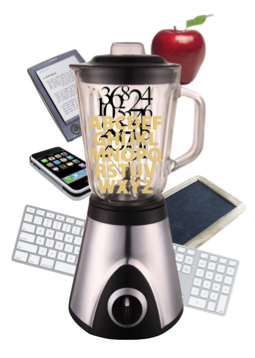
Mark Church’s Making Thinking Visible video, he discusses how his students make their thinking visible. He explains an assignment where he records his student’s learning and follows their thought process. He has them create a headline summarizing the introduction to his unit in one sentence. He then teaches the unit and has them do this again so they can see how far their understanding has come. Through projects like this, we can learn how to get in touch with our students thoughts and how to document those thoughts. With this information we can begin to have a better understanding of how our students evaluate information. This allows us to be better teachers by allowing us to adjust our way of thinking to be more compatible with our students. By making thinking visible, we can give our students the ability to see their understanding grow. We can challenge them to be creative and learn to work with their peers. This method of education is positive because of the direct feedback the student gets when they see their mind has changed with the additional lessons. This encourages and produces a much more motivated learner.

Sunday, October 13, 2013
Blog Post #8
iCivics
Author: Kristie Bell
The tool that I chose to tell my readers about is called iCivics. Justice Sandra Day O’Connor actually founded iCivics in 2009 out of concern that students were not getting the information and tools they need for civic participation, and that civics teachers need better materials and support. This project has truly grown and now has volunteer teams in every state. Anyone can have access to iCivics and all of their resources are free.
Identifying iCivics and the Benefits
iCivics is a web-based education project designed to teach students civics and inspire them to be active participants in our democracy. iCivics has a variety of lesson plans designed to fit your classroom. The lesson plans are also relevant to the student so they can captivate their interest. The best part about the lesson plans is that all iCivics games, lesson plans, and web quests have been linked to standards from all 50 states. This means you can easily find out if the lesson plan fits in with your state's curriculum standards. All you have to do is search iCivics content by using the “Curriculum Finder” function. iCivics also has educational games that offer printable instructions or an in-game tutorial if you are a first time user whose experiencing difficulty. Students gain achievements, compete on leader boards, and earn points that they can use to vote on different “Impact Projects.” Students can make a real-world difference because the Impact Project that earns the most collective points will receive a $1,000 donation from iCivics each quarter. If you ever have an idea for a new game iCivics actually has an online form that you can submit and it is possible you could be chosen to have your game created.
Why I choose iCivics and My Future Intentions
iCivics would be a perfect technology tool to use in my classroom because I will be teaching History. I also chose this tool because it is a free resource and anyone can have access to it without having to pay a fee. This tool has relevant information that appeals to students and my goal is for them to be engaged. I believe that tools such as iCivics are very beneficial to educators because we can make learning enjoyable. I think Sandra Day O'Connor came up with a very resourceful tool and I have every intention on using it in my future classroom. I would like to incorporate the lesson plans that focus mainly on politics, international affairs, civil rights for now. iCivics plans on adding more units and hopefully by the time I am an educator the options will be endless. I feel that my students could greatly benefit from this tool and enriching their knowledge about History is my main goal.

21st Century Learning and Communication Tools
Author: Kynyetta Barren
I want to teach Pre-Algebra, Algebra, or Algebra II to middle or high school students. To help with my teaching, I would like to use a software called FluidMath. FluidMath is a software used on Tablet PC or Interactive Whiteboards. I can use this software to assist in creating instructional learning experiences. For my students, It will help them explore and understand the concepts in mathematics. It animates, graphs, creates, and solves math problems. FluidMath graphs equations and animates them by allowing teachers or students to change pieces of the equation to show how each section of the equation can be affected by the graph appearance. I can use the animation to show the shape changes on a graph. It will be easier for me instead of having to draw a new graph to show the differences in how they look. FluidMath can be used on different platforms such as:
Smart Board
PC with a keyboard
Promethean Board
Hitachi Starboard
Mimio
Polyvision
I choose FluidMath because most students learn better with technology and hands-on experiences. It will be a great source for clarifying abstract concepts in math. I want my students to feel comfortable in what they are learning and I think using this software will help tremendously. I will be using this software and other tools that I discover throughout my journey as an educator. I have provided a video below as an example of how FluidMath works.

Author: Kristie Bell
The tool that I chose to tell my readers about is called iCivics. Justice Sandra Day O’Connor actually founded iCivics in 2009 out of concern that students were not getting the information and tools they need for civic participation, and that civics teachers need better materials and support. This project has truly grown and now has volunteer teams in every state. Anyone can have access to iCivics and all of their resources are free.

Identifying iCivics and the Benefits
iCivics is a web-based education project designed to teach students civics and inspire them to be active participants in our democracy. iCivics has a variety of lesson plans designed to fit your classroom. The lesson plans are also relevant to the student so they can captivate their interest. The best part about the lesson plans is that all iCivics games, lesson plans, and web quests have been linked to standards from all 50 states. This means you can easily find out if the lesson plan fits in with your state's curriculum standards. All you have to do is search iCivics content by using the “Curriculum Finder” function. iCivics also has educational games that offer printable instructions or an in-game tutorial if you are a first time user whose experiencing difficulty. Students gain achievements, compete on leader boards, and earn points that they can use to vote on different “Impact Projects.” Students can make a real-world difference because the Impact Project that earns the most collective points will receive a $1,000 donation from iCivics each quarter. If you ever have an idea for a new game iCivics actually has an online form that you can submit and it is possible you could be chosen to have your game created.
Why I choose iCivics and My Future Intentions
iCivics would be a perfect technology tool to use in my classroom because I will be teaching History. I also chose this tool because it is a free resource and anyone can have access to it without having to pay a fee. This tool has relevant information that appeals to students and my goal is for them to be engaged. I believe that tools such as iCivics are very beneficial to educators because we can make learning enjoyable. I think Sandra Day O'Connor came up with a very resourceful tool and I have every intention on using it in my future classroom. I would like to incorporate the lesson plans that focus mainly on politics, international affairs, civil rights for now. iCivics plans on adding more units and hopefully by the time I am an educator the options will be endless. I feel that my students could greatly benefit from this tool and enriching their knowledge about History is my main goal.

21st Century Learning and Communication Tools
Author: Kynyetta Barren
I want to teach Pre-Algebra, Algebra, or Algebra II to middle or high school students. To help with my teaching, I would like to use a software called FluidMath. FluidMath is a software used on Tablet PC or Interactive Whiteboards. I can use this software to assist in creating instructional learning experiences. For my students, It will help them explore and understand the concepts in mathematics. It animates, graphs, creates, and solves math problems. FluidMath graphs equations and animates them by allowing teachers or students to change pieces of the equation to show how each section of the equation can be affected by the graph appearance. I can use the animation to show the shape changes on a graph. It will be easier for me instead of having to draw a new graph to show the differences in how they look. FluidMath can be used on different platforms such as:
Smart Board
PC with a keyboard
Promethean Board
Hitachi Starboard
Mimio
Polyvision
I choose FluidMath because most students learn better with technology and hands-on experiences. It will be a great source for clarifying abstract concepts in math. I want my students to feel comfortable in what they are learning and I think using this software will help tremendously. I will be using this software and other tools that I discover throughout my journey as an educator. I have provided a video below as an example of how FluidMath works.
Blog Post 8: Tools for Tomorrow’s Classroom
Summary by Douglas R. Jarvis Jr.
EcoMuve is an exciting new way to teach biology lessons. Centered on teaching ecosystems to the middle school age science student, this product allows students to be consumed by the science of ecosystems. EcoMuve was developed by the Harvard Graduate School of Education. It is a two week learning module that uses a 3-D virtual world to allow students to explore every aspect of a pond or forest ecosystem.They can see changes that take place over time to understand the impact of pollution or population change of endemic species. This product is an amazing way to prepare your students to go into the field and truly understand the world around them. See more here.
Ecosystem Concepts
|
Causality Concepts
|
EcoMUVE Design
|
Conservation of matter
Decomposition
|
Non-obvious Causes
Cyclic causality
|
Submarine tool
Atom tracker
|
Inquiry and measurement
|
Inquiry over time
Balance and Flux
|
Water measurement tools
Calendar tool
Data table and graphs
|
Ecosystem boundaries, watershed
|
Effects over distance
Distributed causality
|
Spatial layout of virtual world – pond, housing development, golf course
|
Photosynthesis and respiration
|
Effects over distance
Non-obvious causes
Cyclic causality
|
Water measurement tools
Atom tracker
|
Chart courtesy of http://ecomuve.gse.harvard.edu/
Saturday, October 12, 2013
C4T #2
C4T #1
In Doug Peterson's post Better Blogging he discusses how he did not always favor writing, but now that he is older his outlook has changed. He talks about how he enjoys writing and blogging now. However, he confesses that he is not that fond of proofreading and this tends to be very normal for most people. Doug begins his next paragraph with a question to his readers asking "What proofreading techniques work best when using blogs in the classroom?" Doug's blog post is intended to stir up your thought process and have you think about all the different ways you can become better at blogging..jpg)
I commented on his post and said that this really made me ponder. I also mentioned that I had recently learned about proofreading techniques in my EDM310 class and as individuals you really have to learn what works best for you. I spoke about how I had recently starting blogging and I truly enjoy it. Blogging is a technique I am going to use in my future classroom and I will be sure to teach many different proofreading methods as well. Overall, I found his blog to be very interesting and we all have similar questions like Mr. Peterson had.
C4T #2
In Doug Peterson's post Classroom Management Challenge he talks about how to quiet down a class. He mentions an article called "15 Creative & Respectful Ways to Quiet a Class" that provides a list of different techniques that deal more towards the elementary age group. His Twitter friend Linda Aragoni steps in and asks what techniques could be aimed towards the older age groups. Mr. Peterson discusses how he gives his kids the ownership of the society curriculum requirement and this tends to keep them focused on all the work they have to do. He also stated that just because a class is noisy does not necessarily indicate that it is "bad noise." He said that sometimes there is nothing better than students working in groups and discussing topics. These are noises that should not be affiliated with the disruptive one's.
I commented on his blog saying that this was a great topic to write about because it is a popular issue that many teachers deal with on a regular basis. I stated that I agreed with his Twitter friend Ms. Aragoni when she said most of the techniques mentioned in the article were aimed towards the young age group instead of older. However, it seemed that Mr. Peterson handled his older age group quite well from reading his blog post. I also agreed with how he stated that not all noises are considered "Bad Noises." Students are supposed to debate and work together among groups, which means at times your classroom will be filled with noise. His blog was very interesting and I thoroughly enjoyed reading it.
In Doug Peterson's post Better Blogging he discusses how he did not always favor writing, but now that he is older his outlook has changed. He talks about how he enjoys writing and blogging now. However, he confesses that he is not that fond of proofreading and this tends to be very normal for most people. Doug begins his next paragraph with a question to his readers asking "What proofreading techniques work best when using blogs in the classroom?" Doug's blog post is intended to stir up your thought process and have you think about all the different ways you can become better at blogging.
.jpg)
I commented on his post and said that this really made me ponder. I also mentioned that I had recently learned about proofreading techniques in my EDM310 class and as individuals you really have to learn what works best for you. I spoke about how I had recently starting blogging and I truly enjoy it. Blogging is a technique I am going to use in my future classroom and I will be sure to teach many different proofreading methods as well. Overall, I found his blog to be very interesting and we all have similar questions like Mr. Peterson had.
C4T #2
In Doug Peterson's post Classroom Management Challenge he talks about how to quiet down a class. He mentions an article called "15 Creative & Respectful Ways to Quiet a Class" that provides a list of different techniques that deal more towards the elementary age group. His Twitter friend Linda Aragoni steps in and asks what techniques could be aimed towards the older age groups. Mr. Peterson discusses how he gives his kids the ownership of the society curriculum requirement and this tends to keep them focused on all the work they have to do. He also stated that just because a class is noisy does not necessarily indicate that it is "bad noise." He said that sometimes there is nothing better than students working in groups and discussing topics. These are noises that should not be affiliated with the disruptive one's.

I commented on his blog saying that this was a great topic to write about because it is a popular issue that many teachers deal with on a regular basis. I stated that I agreed with his Twitter friend Ms. Aragoni when she said most of the techniques mentioned in the article were aimed towards the young age group instead of older. However, it seemed that Mr. Peterson handled his older age group quite well from reading his blog post. I also agreed with how he stated that not all noises are considered "Bad Noises." Students are supposed to debate and work together among groups, which means at times your classroom will be filled with noise. His blog was very interesting and I thoroughly enjoyed reading it.
Project #13 Lesson Plan One
Project Based Learning
Authors: Kynyetta Barren, Kristie Bell, Douglas Jarvis
This lesson plan addresses a presentation on the History of the United States and is intended for students in the twelfth grade. A period of two weeks is needed for preparation. Our students will be divided into six groups with four in each. Students will have the option to choose which century or historic event they would like as long as it evolved the United States in some way. The students must use the search engine iCurio for their research. They can present their project by a powerpoint, poster, youtube, re-enactment, or any other tool we have listed in the instructions. Finally, students will be required to present their group presentation to the class.
Project Overview
Project Calendar
PBL Rubric
Authors: Kynyetta Barren, Kristie Bell, Douglas Jarvis
This lesson plan addresses a presentation on the History of the United States and is intended for students in the twelfth grade. A period of two weeks is needed for preparation. Our students will be divided into six groups with four in each. Students will have the option to choose which century or historic event they would like as long as it evolved the United States in some way. The students must use the search engine iCurio for their research. They can present their project by a powerpoint, poster, youtube, re-enactment, or any other tool we have listed in the instructions. Finally, students will be required to present their group presentation to the class.

Project Overview
Project Calendar
PBL Rubric
Saturday, October 5, 2013
Blog Post #7
Authors: Kristie Bell, Kynyetta Barren, and Doug Jarvis
PBL Part One:
In the interview with Dr. Strange and guest Anthony Capps, they discuss project based learning. Anthony shares his experience about doing PBL with his third grade class. He states that the goal of PBL is for them to own their own learning. The goal of a good project is to have an authentic audience so they are motivated to do good work. Another quality is that the project must peak the student interests and be relevant to their lives so they get that real world experience. The project must also revolve around the common core standards and actually teach them content that the state requires them to know.
What we can learn from this conversation is that it is important to keep our students motivated and interested in their work. We have to think outside the box and be creative with PBL. As an educator, we also need to understand that PBL is not about what the students achieve, but what they are learning. PBL is about reaching out to the students and allowing them to enjoy learning. This type of learning is meant to make an impact on their future and teach them how to achieve goals in the workplace instead of being forgotten information once the class has ended.
PBL Part Two:
In PBL not everything is going to go as we plan and sometimes we have to emphasize if “Plan A,” should fail. However, in some cases the outcome could turn out to be even better than expected. For example, Anthony Capps had his students write a narrative script as if they were a kid in Afghanistan. This project turned out to be one of his favorite projects because the children delivered so much variety. The outcome was phenomenal because these students really explored their options and did research. Some of his students went as far as focusing on the food they eat and how they have to grow the crops. The only issue in the classroom was that one of the students was not allowed to participate in this project because his father had served in Afghanistan, and did not feel comfortable with his son learning about this particular subject. Mr. Capps resolved this right away by letting him do an alternate science project and it turned out great.
What we can learn from this conversation is that PBL is a lot of hard work, but it certainly pays off in the end. There are many hours of extra work that goes into this type of teaching method, but seeing your student’s high scores is the best reward an educator can receive. There will also be times when we have to accommodate student’s with alternate options like Mr. Capps had to do, but that is how PBL was intended to be used. Just imagine how many students lives we could change if they truly enjoyed what they were learning. PBL really should be implemented into every grade level and we could change the way of thinking one step at a time.
Icurio
Icurio is strictly filtered and provides access to only safe websites for students to do research for their educational purposes. It also is an easy way to store and organize virtual files. iCurio is a personalized way of learning that accommodates each student’s individual needs. Students also have access to the content and tools they need to take charge of their own independent learning.
Discovery Ed
Anthony Capps states that Discovery Ed is a great visual aid resource because students can use videos to enrich their research experience. Students will be able to use visual aids to gain knowledge about their learning content. Discovery Ed brings experts into the classroom via video and allows students to obtain credible information for PBL.
Additional Thoughts About Lessons
By: Kristie Bell
Anthony Capps states that a lesson is four layers thick and we need to make sure we are very precise about this. The first layer should be about how the lesson fits in a year time frame and making sure you are covering all of the standards that are required by the state. The next focus is the unit size plan and making sure that the lesson is scaled properly. The third is called the week plan and you need to have goals to make sure you are getting everything done in that time period. You also have the daily lesson plan that focuses on how you deliver information to the students and it is very important. The daily plan focuses on making sure you have an attention hook for your students and keeping them engaged while you are delivering the content. Then you must have something afterwards to actually measure what they have learned in that day so you know where to pick up the next day. These are the four components to make one successful lesson plan.
Don’t Teach Tech Use It
By: Kynyetta Barren
In Dr. Strange and Anthony Capps’ video, Don’t Teach Tech Use It, Anthony talks about technology in his classroom. An important way to incorporate technology into the classroom is to use different tools. He stated to start with doing small reflection on iMovie one week and then have them create a movie the next week. By using technology such as iMovie, it gives the students the opportunity to learn how to create and share their projects with different students around the world. As students begin using technology, they become excited about the lessons being presented to them. Students learn more from being involved in using technology. Don’t expect greatness because we are all still learning new technology. Use It, Don’t Teach Tech!
What can be learned from the video “The Anthony Strange List of Tips for Teachers Part-1”
By: Douglas R Jarvis Jr.
In this video, Anthony Capps and Dr. John Strange engage in a conversation regarding insights and tips that can be beneficial to a young educator. First on their list was the idea that to be a solid teacher you must be a lifelong learner yourself. This is definitely true. New information is always being learned. What we may have thought to be the best way to do something today simply may not be true for tomorrow. Theories are proven wrong and new techniques replace old and ineffective ones. In order for us to be the best at what we do, we must be willing to learn and change with the times. Secondly, they discussed the fact that teaching can be hard so why not find a way to make it fun. This is a wonderful idea. Many times we become bogged down and begin to dread tasks because we lose the joy in it. So to avoid that feeling becoming part of our mindset as educators; we need to find new and exciting ways to present the material so that we are as excited to deliver it as our students are to learn it from us. Next, the importance of flexibility was discussed. We never know what unexpected challenges await us in life. Adapting to change and learning to be innovative and creative with your lesson plans can allow us to overcome life’s little curve balls and keep our classrooms on track. The fourth principle that was discussed is the importance of engaging our students. No one wants to do the same thing everyday. To really excite our students we need to find content and lesson plans that allow them to be creative in a way that allows them to demonstrate their understanding of the material we are presenting to them. Make it something that is a learning experience and also something they can be proud that they created. when students are given opportunities to show off their work, there is a sense of pride that drives them to put a little more into the project. Lastly, reflection was discussed. Listen to your students, take into consideration their opinions on the lessons you design. Learn from what they like and what they do not. By understanding what they believe works best for them, we can create more effective lessons that will be relevant and exciting for our students. By doing this, we can be better teachers.
PBL Part One:
In the interview with Dr. Strange and guest Anthony Capps, they discuss project based learning. Anthony shares his experience about doing PBL with his third grade class. He states that the goal of PBL is for them to own their own learning. The goal of a good project is to have an authentic audience so they are motivated to do good work. Another quality is that the project must peak the student interests and be relevant to their lives so they get that real world experience. The project must also revolve around the common core standards and actually teach them content that the state requires them to know.

What we can learn from this conversation is that it is important to keep our students motivated and interested in their work. We have to think outside the box and be creative with PBL. As an educator, we also need to understand that PBL is not about what the students achieve, but what they are learning. PBL is about reaching out to the students and allowing them to enjoy learning. This type of learning is meant to make an impact on their future and teach them how to achieve goals in the workplace instead of being forgotten information once the class has ended.
PBL Part Two:
In PBL not everything is going to go as we plan and sometimes we have to emphasize if “Plan A,” should fail. However, in some cases the outcome could turn out to be even better than expected. For example, Anthony Capps had his students write a narrative script as if they were a kid in Afghanistan. This project turned out to be one of his favorite projects because the children delivered so much variety. The outcome was phenomenal because these students really explored their options and did research. Some of his students went as far as focusing on the food they eat and how they have to grow the crops. The only issue in the classroom was that one of the students was not allowed to participate in this project because his father had served in Afghanistan, and did not feel comfortable with his son learning about this particular subject. Mr. Capps resolved this right away by letting him do an alternate science project and it turned out great.
What we can learn from this conversation is that PBL is a lot of hard work, but it certainly pays off in the end. There are many hours of extra work that goes into this type of teaching method, but seeing your student’s high scores is the best reward an educator can receive. There will also be times when we have to accommodate student’s with alternate options like Mr. Capps had to do, but that is how PBL was intended to be used. Just imagine how many students lives we could change if they truly enjoyed what they were learning. PBL really should be implemented into every grade level and we could change the way of thinking one step at a time.
Icurio
Icurio is strictly filtered and provides access to only safe websites for students to do research for their educational purposes. It also is an easy way to store and organize virtual files. iCurio is a personalized way of learning that accommodates each student’s individual needs. Students also have access to the content and tools they need to take charge of their own independent learning.

Discovery Ed
Anthony Capps states that Discovery Ed is a great visual aid resource because students can use videos to enrich their research experience. Students will be able to use visual aids to gain knowledge about their learning content. Discovery Ed brings experts into the classroom via video and allows students to obtain credible information for PBL.

Additional Thoughts About Lessons
By: Kristie Bell
Anthony Capps states that a lesson is four layers thick and we need to make sure we are very precise about this. The first layer should be about how the lesson fits in a year time frame and making sure you are covering all of the standards that are required by the state. The next focus is the unit size plan and making sure that the lesson is scaled properly. The third is called the week plan and you need to have goals to make sure you are getting everything done in that time period. You also have the daily lesson plan that focuses on how you deliver information to the students and it is very important. The daily plan focuses on making sure you have an attention hook for your students and keeping them engaged while you are delivering the content. Then you must have something afterwards to actually measure what they have learned in that day so you know where to pick up the next day. These are the four components to make one successful lesson plan.

Don’t Teach Tech Use It
By: Kynyetta Barren
In Dr. Strange and Anthony Capps’ video, Don’t Teach Tech Use It, Anthony talks about technology in his classroom. An important way to incorporate technology into the classroom is to use different tools. He stated to start with doing small reflection on iMovie one week and then have them create a movie the next week. By using technology such as iMovie, it gives the students the opportunity to learn how to create and share their projects with different students around the world. As students begin using technology, they become excited about the lessons being presented to them. Students learn more from being involved in using technology. Don’t expect greatness because we are all still learning new technology. Use It, Don’t Teach Tech!

What can be learned from the video “The Anthony Strange List of Tips for Teachers Part-1”
By: Douglas R Jarvis Jr.
In this video, Anthony Capps and Dr. John Strange engage in a conversation regarding insights and tips that can be beneficial to a young educator. First on their list was the idea that to be a solid teacher you must be a lifelong learner yourself. This is definitely true. New information is always being learned. What we may have thought to be the best way to do something today simply may not be true for tomorrow. Theories are proven wrong and new techniques replace old and ineffective ones. In order for us to be the best at what we do, we must be willing to learn and change with the times. Secondly, they discussed the fact that teaching can be hard so why not find a way to make it fun. This is a wonderful idea. Many times we become bogged down and begin to dread tasks because we lose the joy in it. So to avoid that feeling becoming part of our mindset as educators; we need to find new and exciting ways to present the material so that we are as excited to deliver it as our students are to learn it from us. Next, the importance of flexibility was discussed. We never know what unexpected challenges await us in life. Adapting to change and learning to be innovative and creative with your lesson plans can allow us to overcome life’s little curve balls and keep our classrooms on track. The fourth principle that was discussed is the importance of engaging our students. No one wants to do the same thing everyday. To really excite our students we need to find content and lesson plans that allow them to be creative in a way that allows them to demonstrate their understanding of the material we are presenting to them. Make it something that is a learning experience and also something they can be proud that they created. when students are given opportunities to show off their work, there is a sense of pride that drives them to put a little more into the project. Lastly, reflection was discussed. Listen to your students, take into consideration their opinions on the lessons you design. Learn from what they like and what they do not. By understanding what they believe works best for them, we can create more effective lessons that will be relevant and exciting for our students. By doing this, we can be better teachers.

Subscribe to:
Posts (Atom)